
A campus that decided not to specialize.
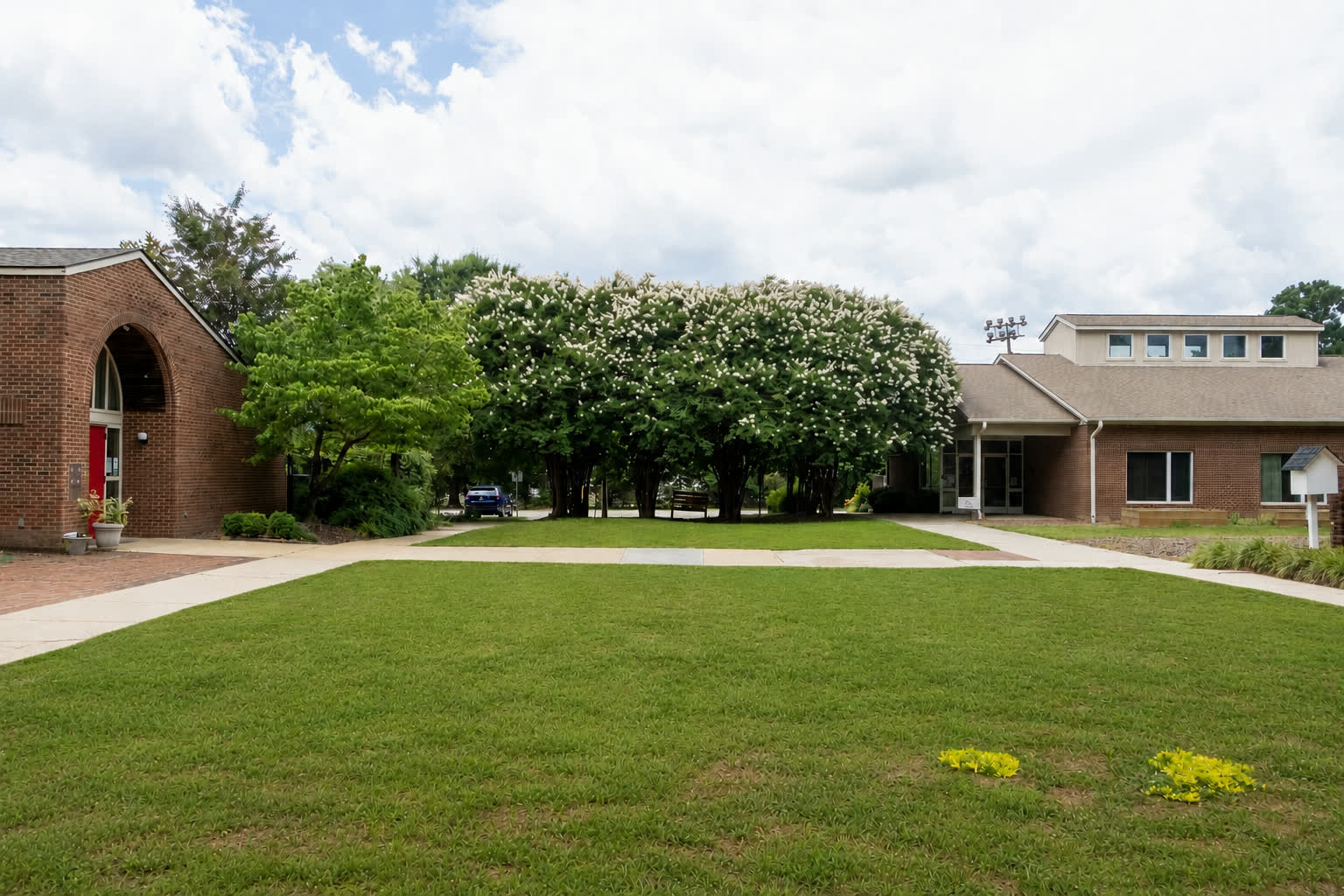
New Hope Collaborative is a shared campus at 1725 N New Hope Road in Raleigh, operated by the Episcopal Diocese of North Carolina. In one week the same buildings hold after-school programming for children, food and clothing, case management for people who have experienced trafficking, resources for people facing homelessness, and Sunday worship.
How this came about
Spare space usually gets rented out. A tenant signs a lease, keeps its own hours, and the two organizations pass in the parking lot. That works, and it is not what happened here.
The campus started from a question the diocese asked: what does this neighborhood already have, and what would it take to stand behind it? The answer was not a new program. It was organizations that had been doing serious work for years — some for decades — and what they lacked was room, visibility, and a place they could count on keeping.
So the campus became a homebase. The nonprofits here are largely minority-led, and most carry more work than resources. Sharing a campus means sharing a parking lot, a kitchen, a copier, and neighbors who can lend a hand when needed.
What we mean by shared
Ekklesia worships here. Loaves and Fishes tutors and cares for students here. The Bridge International meets with clients here. Extended Hands distributes food and clothing from here. Advocacy to Alleviate Homelessness works with people facing homelessness here.
The diocese operates the campus. None of the organizations on it is a program of another — each has its own board, its own funding, and its own people. They help each other where they can, and their leaders meet monthly to compare notes on what is working and what is not.
The diocese's priorities, on the ground
The Episcopal Diocese of North Carolina organizes its work around five strategic priorities. This campus is not a program filed under one of them — it is a place where several happen at the same time, in the same rooms.
Racial Reckoning, Justice & Healing
The diocese has committed to understanding racial injustice in church and community life and acting toward full participation for everyone. Here that commitment is visible in who holds space: this campus exists specifically to give minority-led organizations a permanent, well-resourced home rather than a temporary room.
Congregational Vitality
A healthy congregation finds ways to join God in work already under way — channeling its resources outward, not only inward, which is the standing temptation. Ekklesia does that here — collaborating with organizations already making a difference instead of building programs of its own. A congregation is not diminished by what it sends outward. That is where its life comes from.
Discipleship
Faith formation happens on the same campus as tutoring, case management, and a food distribution ministry. Children and adults here learn what following Jesus looks like by being his hands and feet to their neighbors.
Collaboration & New Communities
The diocese did not cultivate partnerships as an activity; it built a place for them. The organizations here are near enough to each other that working together is ordinary rather than a project.
Creation Care
Sharing a campus is already a form of stewardship: one set of buildings to heat and cool, one lot to maintain, and one set of equipment instead of a set for every organization.
Past that, the specifics are modest and real: compostable paper products at Ekklesia, a weekly pickup from CompostNow, and four raised garden beds — built, planted, and currently waiting for someone to look after them.
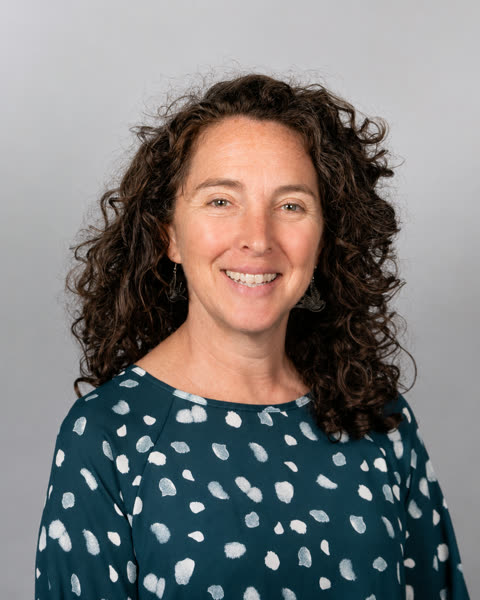
At the diocese, Joy Breen is Mission Strategy Coordinator: joy.shillingsburg@episdionc.org. A lifelong educator, she directed youth and outreach at St. John’s, Wake Forest for more than a decade, and founded Wake Forest Community Table — which served over 25,000 meals from 2020 to 2022 and paired them with gatherings on the history and the systems that made the meals necessary in the first place.
The people here
The campus runs on a small staff and a much larger number of volunteers and partner employees.

Lesley Peace is Campus Executive Director. She is the person to write to about the campus itself — using a room, offering time, or bringing an organization here: lesley.peace@episdionc.org. She is the campus’s founding director, and came to it from five years in outreach and missions at Christ Church, Charlotte. An ordained minister in the AME Zion Church with an M.Div. from Union Presbyterian Seminary, she has built her work around community education and racial reconciliation.